Artificial Intelligence (AI) is no longer a future idea. It is already part of everyday life in Kenya. From mobile apps to online services, AI is quietly changing how people work, how businesses operate, and how jobs are created or replaced. Many workers are now asking an important question: how AI is changing jobs in Kenya and what it means for their future.
In simple terms, AI means machines and computer systems that can think, learn, and make decisions like humans. These systems are used in banks, schools, hospitals, farms, and even small businesses. Because of this rapid growth, the impact of AI on jobs in Kenya is becoming more visible every day..
Understanding AI in Simple Terms
Before looking at how AI is changing jobs in Kenya, it is important to understand what AI really is. Artificial Intelligence is technology that allows machines to perform tasks that normally require human thinking. These tasks include answering questions, recognizing images, translating languages, and analyzing data.
For example, when you chat with customer service online and get instant replies, that is often AI. When Google suggests what you are searching for, that is also AI. Even social media platforms use AI to show you posts you may like.
As AI becomes more advanced, it is starting to replace some human tasks while also creating new ones. This is why the impact of AI on jobs in Kenya is a major topic today.
How AI is Changing Jobs in Kenya
One of the biggest changes happening today is automation. Many companies are using machines and software to do work that was previously done by people. This is a clear example of how AI is changing jobs in Kenya.
For instance, in banks, customers no longer need to visit branches for simple services. They can use mobile banking apps that are powered by AI. This reduces the need for some bank staff, especially in customer service roles.
In supermarkets, self-checkout systems are slowly being introduced. These systems allow customers to scan and pay for items without a cashier. This also shows how AI is changing jobs in Kenya by reducing some traditional roles.
However, AI is not only removing jobs. It is also creating new ones. Many companies now need data analysts, software developers, AI specialists, and digital marketers. These new roles are part of the growing AI in Kenya job market.
Impact of AI on Traditional Jobs
The impact of AI on jobs in Kenya is most visible in routine and repetitive work. Jobs that involve simple tasks are more likely to be automated. These include clerks, data entry workers, and some customer service roles.
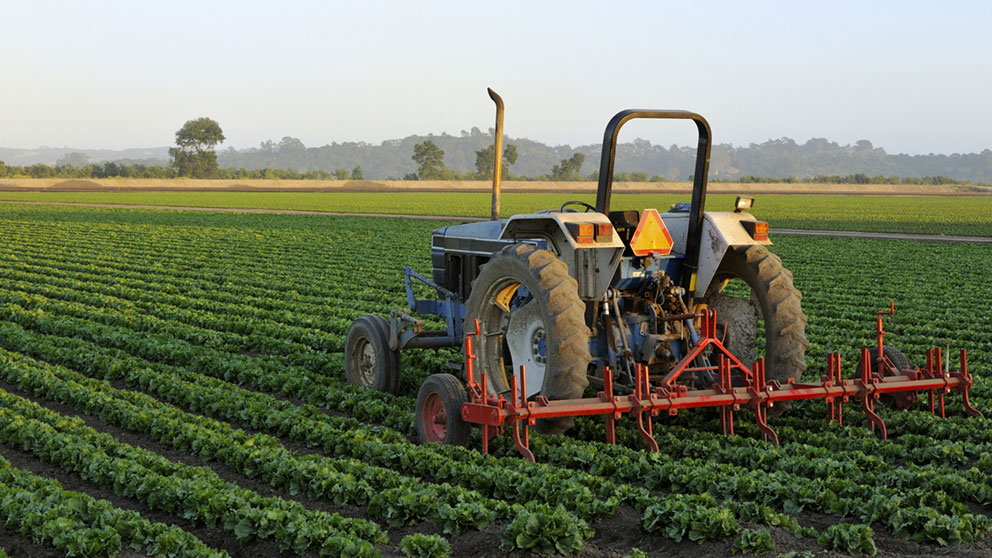
In transport, for example, ride-hailing apps use AI to match drivers with passengers. In agriculture, smart systems help farmers decide when to plant or harvest crops. Even in security, AI cameras are used to monitor movement and detect unusual activity.
Because of these changes, many workers are worried. They fear losing their jobs. This concern is valid, but it is also important to understand that AI does not only destroy jobs. It also changes them.
The key point in how AI is changing jobs in Kenya is that workers must adapt. Those who learn new skills will have better chances of keeping or getting jobs in the future.
AI in Kenya Job Market Trends
The AI in Kenya job market is growing quickly. Many companies in Nairobi and other cities are now using digital tools to improve their services. Technology firms, banks, and even government offices are investing in AI systems.
One major trend is remote work. Many young people are now working online as freelancers, virtual assistants, and content creators. These jobs often rely on AI tools to improve productivity.
Another trend in the AI in Kenya job market is digital marketing. Businesses now use AI tools to understand customer behavior and improve advertising. This creates demand for people who understand both marketing and technology.
In addition, tech startups in Kenya are developing AI solutions for farming, education, and healthcare. This is expanding job opportunities and changing how people think about careers.
All these changes clearly show how AI is changing jobs in Kenya by creating a more digital and technology-driven economy.
Jobs That Are Being Affected
Some jobs are more affected than others. The impact of AI on jobs in Kenya is stronger in roles that involve routine tasks. For example:
- Cashiers in supermarkets
- Data entry clerks
- Basic customer service agents
- Manual record keepers
- Some transport and delivery coordination jobs
These roles are slowly being replaced or reduced because AI systems can perform them faster and more accurately.
However, it is important to understand that this does not mean all these jobs will disappear. Instead, they are being transformed. Workers may need to learn how to use AI tools instead of doing everything manually.
This transformation is a key part of how AI is changing jobs in Kenya today.
New Jobs Created by AI
While some jobs are affected, many new opportunities are being created. The future of jobs in Kenya with AI looks promising for people who are willing to learn new skills.
New jobs include:
- AI developers
- Data analysts
- Cybersecurity experts
- Digital marketers
- Software engineers
- Machine learning specialists
These jobs require technical skills, but they are growing fast in Kenya. Universities and training centers are now offering courses to prepare students for these careers.
This shows that the future of jobs in Kenya with AI is not only about job loss but also about job creation.
How Students and Workers Can Prepare
Since how AI is changing jobs in Kenya is already happening, people need to prepare early. The best way to do this is through learning new skills.
Students should focus on subjects like computer science, mathematics, and digital skills. Workers should also consider short courses in technology, online marketing, and data handling.
Learning how to use AI tools is also very important. Many businesses now expect employees to know basic digital tools.
Those who adapt will benefit from the growing AI in Kenya job market. Those who do not may find it harder to get jobs in the future.
Opportunities in AI for Kenya
Despite challenges, AI brings many opportunities. The impact of AI on jobs in Kenya is not only negative. It is also opening doors for innovation and business growth.
For example, farmers can use AI apps to predict weather and improve crop yields. Doctors can use AI tools to detect diseases faster. Teachers can use AI platforms to improve learning.
Entrepreneurs can also build businesses around AI services. This is why many experts believe the future of jobs in Kenya with AI is full of opportunities.
Kenya has a strong young population that is quick to learn technology. This gives the country a big advantage in adopting AI.
Challenges of AI in Kenya
Even though AI has many benefits, there are also challenges. One major challenge is job displacement. Some workers may lose their jobs if they do not learn new skills.
Another challenge is access to technology. Not everyone has access to computers or the internet, especially in rural areas. This may slow down adoption.
There is also a lack of awareness about AI. Many people still do not fully understand how AI is changing jobs in Kenya and how they can benefit from it.
These challenges must be addressed to ensure fair growth in the AI in Kenya job market.
The Future of Jobs in Kenya with AI
Looking ahead, the future of jobs in Kenya with AI is expected to be a mix of challenges and opportunities. Many jobs will change, and new ones will continue to appear.
Routine jobs will continue to reduce, while technical and creative jobs will increase. Workers will need to be more flexible and open to learning.
Businesses will also become more digital, using AI to improve efficiency and reduce costs. This will continue to shape how AI is changing jobs in Kenya.
Kenya has the potential to become a leading technology hub in Africa if it invests in education and digital skills.
Conclusion
Artificial Intelligence is already transforming the way people work in Kenya. From banks to farms, from schools to businesses, AI is everywhere. Understanding how AI is changing jobs in Kenya helps workers and students prepare for the future.
The impact of AI on jobs in Kenya is both positive and challenging. While some jobs are being replaced, many new opportunities are being created in the AI in Kenya job market.
The future of jobs in Kenya with AI depends on how well people adapt. Those who learn new skills will benefit the most. Those who ignore change may struggle.
In the end, AI is not here to destroy jobs but to change them. With the right mindset and preparation, Kenya can take full advantage of this new digital era.